
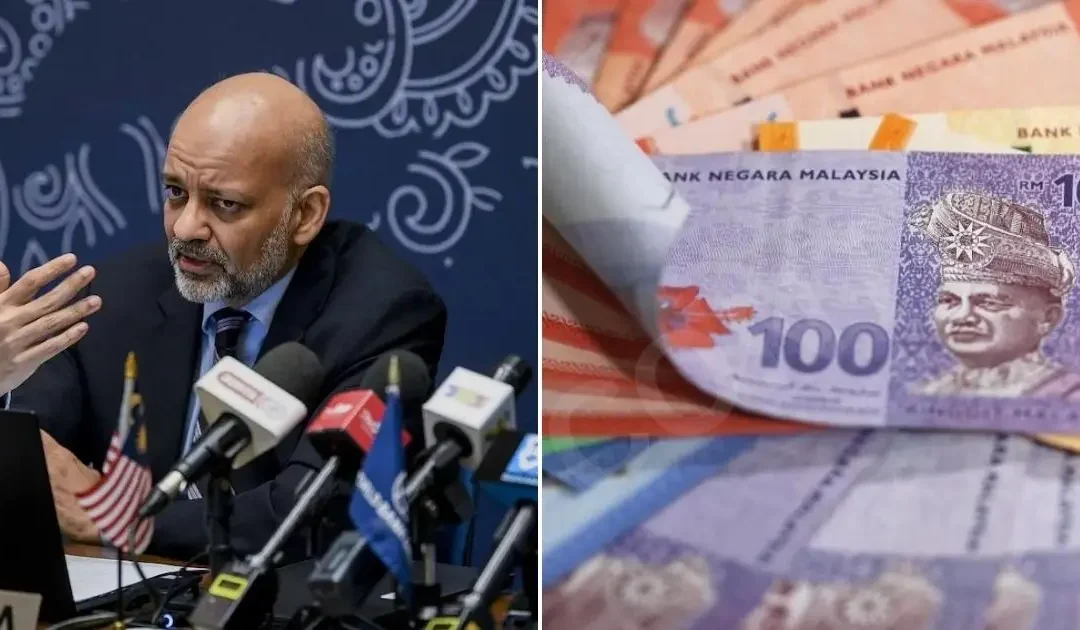
The World Bank has revised Malaysia’s 2026 GDP growth forecast up to 4.4% (from 4.1%), driven mainly by resilient domestic demand and strong private consumption. Favorable labour market conditions, ongoing government income support and significant wage gains — real median wages rose 6% last year — underpin the upbeat projection, which outpaces the regional average of 4.2%.
However, the World Bank’s lead economist for Malaysia, Apurva Sanghi, cautioned that downside risks are “immense” from three external shocks: the West Asia conflict (which pushed crude oil up ~40% Feb–Mar, nearly doubled nitrogen fertiliser prices, and raised LNG shipment costs to Asia by ~two-thirds), potential shifts in US tariff policy (46% of Malaysia’s exports currently enjoy tariff exemptions) and China’s redirection of exports into third markets. Malaysia’s high-performing electrical & electronic (E&E) sector — nearly 30% of domestic value-added and vulnerable to tariff changes — means reliance on tariff differentials is risky; Sanghi urged boosting domestic innovation. While Chinese firms expanding into Malaysia pose risks, Malaysia’s imports from China are more balanced (capital and intermediate goods), suggesting targeted policy responses rather than broad trade restrictions.
Full article : https://theedgemalaysia.com/node/789353